How Much Does Conservatory Roof Insulation Cost?
Updated: 12 hours ago
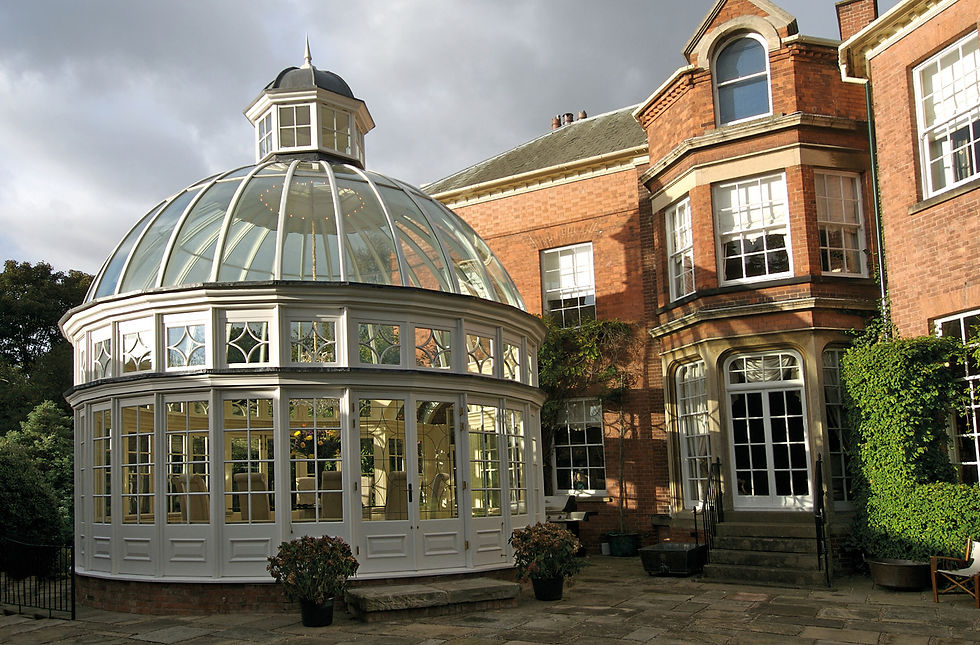
Conservatory roof insulation typically costs £2,000 to £4,500 for internal insulated panels under the existing roof, £2,500 to £6,000 for new insulated glass in the existing roof, and £4,500 to £10,500 for a solid insulated roof replacement, supplied and fitted including VAT. Within each, the price is driven by the roof area, the roof shape, the condition of the frames and the finish inside. The cheaper options make a cold roof less cold; the expensive ones make a conservatory into a room.
We design luxury conservatories to be warm from the start, and the options below run from least to most effective, which is also least to most expensive.
Typical UK prices
Supplied and fitted, including VAT:
Internal insulated panels with a plastered ceiling, 3m x 3m: £2,000 to £3,000.
Internal insulated panels with a plastered ceiling, 4m x 4m: £3,250 to £4,500.
New insulated glass roof: £2,500 to £4,000 on a small conservatory, £4,000 to £6,000 on a medium one up to 4m x 4m.
Solid insulated tiled roof: £4,500 to £6,500 small, £6,000 to £8,500 medium, £8,000 to £10,500 up to 5m x 5m, before any strengthening.
Victorian and P-shaped roofs, and premium glass or finishes, sit toward the upper end. These are typical UK market prices from published cost guides as of 2026; bespoke designs are priced after a survey.
Why is the roof where insulation money goes first?
The roof is the largest surface, faces the cold night sky and, on an older conservatory, is the thinnest part of the envelope: polycarbonate or early uncoated double glazing. It is also where most summer overheating comes in. Aluminium roof bars without a thermal break conduct heat straight through, which is why the bars run with condensation first. An uninsulated floor and single-skin dwarf walls lose heat too, so if the whole room is cold, the roof is the first place to look and rarely the only one.
What does it cost to insulate a conservatory roof from the inside?
Internal insulation systems fit insulated panels or a lightweight ceiling beneath the existing glazing. The old roof stays in place, the panels sit inside the frame, and the room gets a plastered or panelled ceiling.
The cost follows the roof area, the shape and the ceiling finish chosen. It is the cheapest way to make a measurable difference to winter heat loss and summer glare, and it can be done in a day or two.
The drawbacks are the reason we rarely recommend it. The original roof is still there, still leaking heat through the frames and still trapping moisture between itself and the new ceiling. Condensation in that void is a common result, and it is hidden until it becomes a problem. The room also loses its roof light entirely, which for most conservatories is the point of the room.
What drives the cost of a solid insulated roof?
An insulated conservatory roof replaces the glazing with a lightweight solid roof: an insulated structure, an external covering of tiles or slate-effect panels, and an internal plastered ceiling. This is the option most people mean by conservatory roof insulation, and it is a replacement rather than a retrofit.
It costs considerably more than internal panels, and the price depends on the roof area, the covering chosen and any strengthening the frames need to carry the weight, which an engineer confirms before we quote. The performance is a different order from internal panels: a properly insulated solid roof brings a conservatory close to the thermal standard of an extension, and the room becomes usable in January without a heater running all day.
The light question is the same as with any solid roof. Rooflights or a lantern in the solid roof recover some of it, and a hybrid roof, which keeps glazed sections alongside insulated panels, keeps more. We explain what drives the cost of each roof type in our guide to conservatory roof replacement cost.
Is better glass a form of roof insulation?
Yes, and it is the option people overlook. Much of the heat loss through a conservatory roof is through the glazing itself, and a great deal of the summer overheating is solar gain through it. Replacing old polycarbonate or early double glazing with modern insulated units, with a low-emissivity coating on the inside and a solar control coating on the outside, changes both.
A glass upgrade sits between internal panels and a solid roof on cost, and the price follows the number and size of the roof panes and the coatings chosen. It keeps the room a glazed room, it deals with condensation on the glass because the inner pane stays warmer, and it needs no ceiling, no strengthening and usually no building regulations application.
For a conservatory that is worth keeping and whose frames are sound, this is the option we would look at first.
Which conservatory roof insulation option is worth it?
The answer depends on what the room is for and how the conservatory was built.
If the conservatory is a garden room used in spring and autumn, and the aim is to stretch that into more of the year, a glass upgrade does the job and keeps the character of the room.
If the conservatory is meant to be a kitchen, a dining room or a family room used every day, and it was built with a polycarbonate roof on thin frames, no amount of insulation under that roof will make it a good room. A replacement roof, or more often a replacement conservatory, is the real answer. Insulation spent on a structure that is cold at the floor and draughty at the frames is money spent on one part of a problem that has four.
Internal panels sit in between and suit a room that just needs to be less cold for a few years before a bigger decision is made.
Whatever the roof does, the room still needs heating, and the right system matters as much as the insulation above it. Our guide to how to heat a conservatory sets out the options.
What changes the price of conservatory roof insulation?
The roof shape moves the price in every option. A lean-to is simple; a Victorian roof with a faceted end is not, and any solution that involves cutting panels or glass to fit has more pieces on a complex roof.
The condition of the frames matters for anything heavier than glass. An engineer's check is part of any solid roof quotation and should be.
Building regulations apply to a solid roof replacement, because it changes the thermal character of the room. Internal panel systems fall into a grey area and are often installed without approval, which is one more reason to prefer the options that do it properly.
Whichever route you choose, a quote should state:
The roof area and shape it is priced on.
The panel, glass or roof build-up, with its U-value.
Any structural check or strengthening of the frames.
The ceiling finish, plastering and electrics inside.
Building control, where it applies, and removal of the old roof.
Do blinds and shading count as roof insulation?
Partly. Roof blinds cut summer glare and solar gain and trap a little still air in winter, and they cost far less than any structural option, but they do not change the roof's thermal performance. External shading such as an awning stops the sun before it reaches the glass, which works better in summer and does nothing in winter. With solar control glass as well, most summer problems can be solved without a solid roof.

Conservatory roof insulation cost questions, answered
What is the cheapest way to insulate a conservatory roof?
Internal insulated panels fitted under the existing roof, typically £2,000 to £3,000 for a 3m x 3m conservatory including VAT. It is also the option with the most drawbacks: no roof light, and a risk of condensation in the void above the new ceiling.
Is it worth insulating a conservatory roof?
If the frames and base are sound, yes, and a glass upgrade or an insulated replacement roof will make the room usable for more of the year. If the whole conservatory is cold and poorly built, the roof is not the problem to solve first.
Does an insulated conservatory roof need planning permission?
In England, planning permission is rarely needed for a roof change on a permitted development conservatory, but a listed building needs consent. Building regulations approval is needed for a solid roof replacement.
Will roof insulation stop condensation in a conservatory?
Better glass reduces condensation on the roof because the inner surface stays warmer. Internal panels can make condensation worse by trapping moist air between the ceiling and the old roof.
Can you insulate a polycarbonate conservatory roof?
You can fit panels beneath it, but the better answer is to replace it with insulated glass or a solid roof. Polycarbonate was the compromise that gave conservatories their reputation, and insulating around it keeps the compromise.
Talk to our design team
If you would like to talk to us about your project, we will tell you which of these options the existing structure can take.


