When Does a Conservatory Become an Extension?
Updated: 1 day ago

A conservatory becomes an extension, in building regulations terms, the moment it stops being thermally and structurally separate from your home: when it is opened up to the house, loses its predominantly glazed roof, or shares the house heating. The answer shapes both the design and the approvals you need.
When Does a Conservatory Become an Extension?
In England, a conservatory is exempt from building regulations only if it meets all of these conditions:
It is built at ground level
Its floor area is no more than 30m²
It is separated from the house by external-quality walls, doors or windows
Any heating is independent of the house system, with its own controls
Its glazing and any fixed electrical work meet the relevant regulations
If any one of these is not met, it needs building regulations approval, just like an extension. The three most common ways a conservatory fails the tests are below.
1. When It Becomes Open Plan
If you remove the external doors and create a fully open connection between your home and the new space, it is no longer classed as a conservatory.

At this point, it becomes an extension and must comply with full building regulations, especially around insulation and energy efficiency.
2. When the Roof Changes
Modern glass extensions often feature:
Solid tiled roofs
Hybrid roofs with reduced glazing
Large rooflights instead of full glazing
If your roof is no longer predominantly glazed, the structure is considered an extension rather than a conservatory, and replacing a glazed roof with a solid one generally needs building regulations approval.
3. When It Uses Permanent Heating
Adding integrated heating (like underfloor heating or a radiator connected to your main system) removes the exemption, even if the radiator has its own valve.
Conservatories are traditionally thermally separate. Once they share heating infrastructure, they’re treated as part of the main dwelling.
What Is the Difference Between a Conservatory and an Extension?
At a glance, conservatories and extensions can look similar, especially with modern glass architecture blurring the lines. But structurally and legally, they are quite different.
Conservatory Characteristics
The older definition in the building regulations guidance on energy efficiency (Approved Document L) described a conservatory as having:
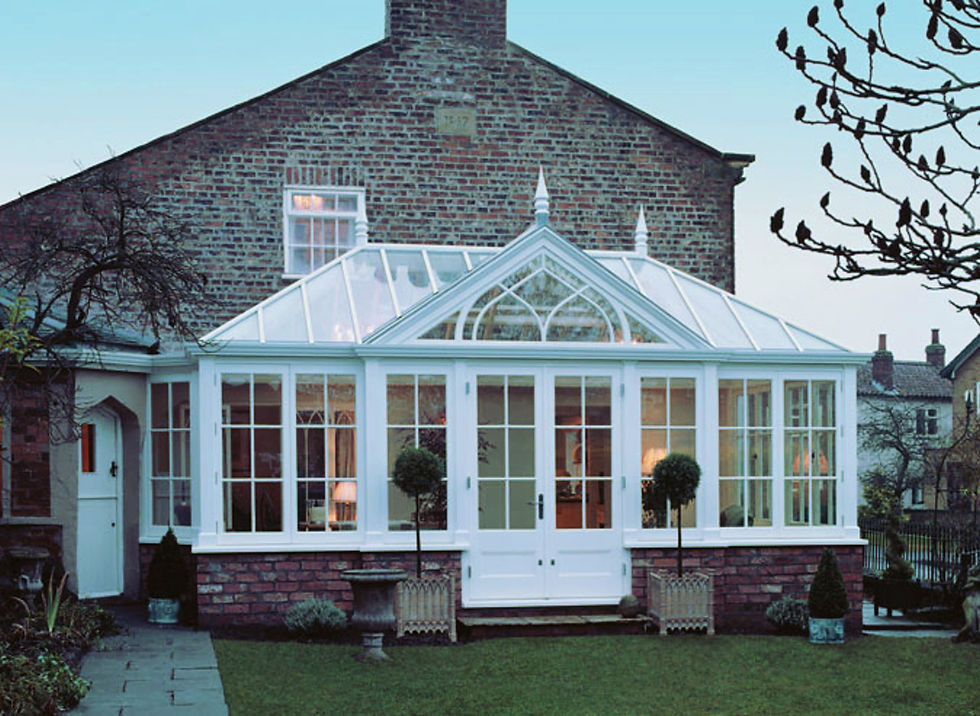
At least 75% of the roof made from glass or polycarbonate
Over 50% glazed wall area
Whatever its glazing, a conservatory is only exempt if it also passes the tests above, which means being separated from the main house by external doors and having independent heating.
Extension Characteristics
A home extension, on the other hand:
Is built as a permanent, fully integrated part of the property
Uses solid walls and a solid or partially glazed roof
Is open-plan or seamlessly connected to the home
Must comply fully with building regulations, including thermal efficiency, structure, ventilation and glazing
Why This Distinction Matters
Planning Permission
For planning there is no difference: a conservatory and a single-storey extension follow the same permitted development limits on size, height and position. The real distinction is building regulations, which our guide to building regulations for a conservatory covers in full.
Property Value
A room that is warm, integrated and signed off is easier to sell. Missing paperwork for work that needed approval is a common problem at sale.
Conservatory vs Extension: Which Should You Choose?
The right option depends on how you plan to use the space.
Choose a Conservatory If:
You want a cost-effective, light-filled addition
You want the room to stay separate from the house, closed off by external doors
You prefer a faster installation process
Choose an Extension If:
You want a fully integrated living area
You want it open-plan to the house, heated from the main system
You’re creating a kitchen, dining, or main living space
For the cost, light and build-time comparison, see our guide to glass extension vs brick extension.
Conservatory vs extension questions, answered
Can I remove the doors between my house and conservatory?
Yes, but the conservatory then loses its exemption and the work needs building regulations approval. The floor, walls, roof and glazing will usually need upgrading to extension standards.
Do I need building regulations for a replacement conservatory roof?
A glass-for-glass replacement on a closed-off conservatory usually stays exempt. A solid or tiled roof generally needs approval, because it changes the structure and the room's thermal performance.
What if I have already knocked through?
Apply to your council's building control for a regularisation certificate. An inspector assesses the work, may ask for parts to be opened up or upgraded, and issues the certificate once it complies. It is far easier than explaining missing paperwork to a buyer's solicitor.
Talk to our design team
If you are not sure which side of the line your project sits on, talk to our design team.


