The Ultimate Glass Room Extension Guide: Find the Perfect Design for Your Home in 2026
Updated: Apr 8
A glass room extension is one of the most striking ways to transform a home - flooding everyday spaces with natural light, creating a seamless connection to the garden, and adding a premium feel that can elevate long-term value. At Glass House Architecture, we design bespoke glazed structures for homeowners across the UK, combining refined aesthetics with modern comfort and performance.

Why Choose a Glass Room Extension?
A glass room extension isn’t just “extra space” - it changes how your home feels and functions.
Natural light and space: Glass walls and rooflines bring daylight deep into the home.
Stylish design: Works beautifully on both contemporary and period properties (either blended or contrasted).
Flexible living: Ideal for kitchens, dining areas, lounges, garden rooms, and entertaining spaces.
Experience-led living: Done well, it’s a daily “upgrade” in comfort, views, and indoor-outdoor flow.
Glass extension
A glass extension is the umbrella term for glazed additions that can range from classic conservatory-style structures to ultra-minimal, frameless architectural statements.
When people search “glass extension,” they’re usually looking for one of three outcomes:
Maximum daylight (roof glazing, large panels, fewer solid elements)
A seamless link to the garden (wide openings, sliding/bi-fold doors, uninterrupted views)
A premium look that complements the house (materials, proportions, and detailing that feel “built-in,” not bolted-on)
The good news: there isn’t one “right” format. The best result comes from matching the style to your home, your intended use, and your comfort requirements (heating, shading, ventilation).
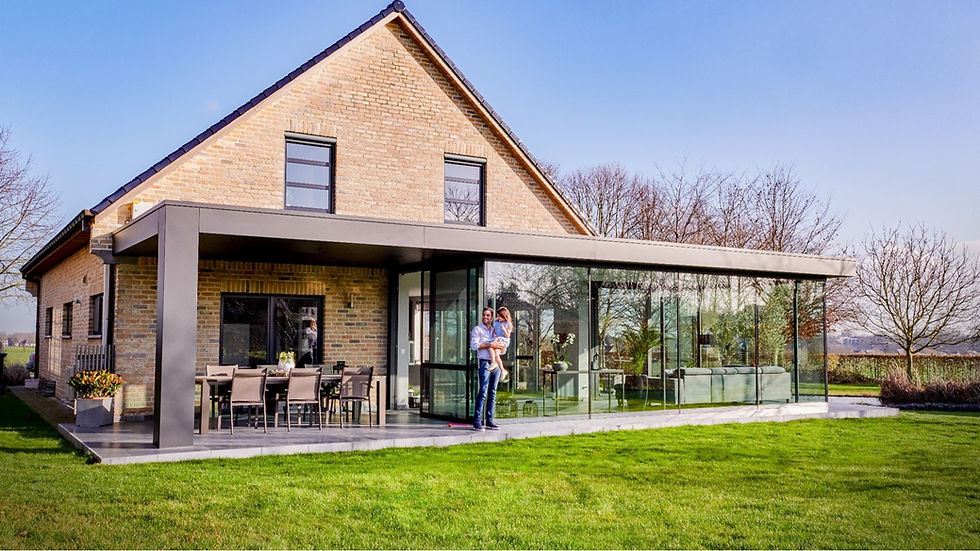
Glass box extension
A glass box extension is a sleek, minimal option built around structural glazing and clean lines - often with large, floor-to-ceiling glass panels and a glazed roof for a crisp, modern finish.
Why homeowners choose a glass box extension
A glass box extension is more than an extra room—it’s an architectural statement:
Uninterrupted views with frameless or minimal-joint glazing
A light-filled interior all year round thanks to large panes and roof glazing
A strong contrast that can look incredible on period homes (modern addition, traditional backdrop)
Glass box extensions vs traditional extensions
Traditional brick extensions can block daylight and interrupt the flow between house and garden. By comparison, a glazed “box” keeps sightlines open and brings the outside in.
That’s why glass box designs are a popular choice for open-plan kitchen/diner upgrades, where you want the extension to feel like the brightest, most “alive” part of the home.
Glass box extension cost
If you’re researching glass box extension cost, you’re already thinking like a smart homeowner: the final figure isn’t about one headline price, it’s about what drives it.
Typical glass room extension pricing (benchmark)
A typical glass room extension is often in the region of £30,000–£50,000 for high-quality materials and professional installation.
What affects glass box extension cost the most?
Costs vary based on:
Size and complexity of the structure
Structural glazing requirements (engineering, spans, joints, panel sizes)
Glass specification: double, triple, or solar-control glazing
Frames and finishes: aluminium, timber, composite; colour and detailing choices
Openings and lifestyle features: sliding doors, bi-folds, shading, heating
Groundworks: foundations, drainage, and site access
A note on value (not just price)
Premium providers tend to deliver better durability, thermal performance, and detailing - things that matter every day and can protect long-term value.
If you want a meaningful ballpark for your home, the fastest route is a design-led consultation with a tailored quote, especially for frameless/structural glass work.

Glass lean to extension
A glass lean-to extension is a brilliant solution when you want a lighter, simpler form, often used for smaller footprints, side returns, or to create a refined garden link without major structural disruption.
In Glass House Architecture’s range, lean-to concepts often overlap with “lean-to glass box” ideas, where you keep the roofline practical but still achieve that crisp, contemporary glazing look.
When a glass lean-to makes the most sense
Tighter spaces (where a full cube form would feel bulky)
Side return projects that need light more than volume
Kitchen links where you want to brighten the heart of the home and open up circulation
Lean-to designs can still be highly premium, especially when paired with the right glazing, slimline frames, and comfort upgrades like shading or underfloor heating.

Glass roof extension
A glass roof extension focuses on daylight from above—ideal when you want to transform an existing room (often a kitchen or living area) by adding a glazed roof element that changes the atmosphere without necessarily creating a fully glazed “box.”
Why glass roof extensions are so popular
They flood interior rooms with daylight (especially where side windows are limited)
They make open-plan spaces feel bigger (light does a lot of the heavy lifting)
They pair beautifully with modern openings like sliding doors or wide thresholds
For comfort, roof glazing is one area where glass specification and shading choices matter a lot—especially in summer. That’s why we recommend planning ventilation and blinds early, not as an afterthought.

Modern glass extensions
If you’re searching for modern glass extensions, you’re probably drawn to minimal frames, crisp detailing, and structural glass that feels almost invisible.
Modern glass extensions can include:
Frameless glass rooms that connect home and garden with panoramic views
Contemporary glass boxes with structural glazing and minimal joints
Winter gardens with sleek glazed roofs and slim-frame sliding or bi-fold doors
Veranda-style glass rooms for luxury outdoor living (more on that below)
Performance matters as much as the look
A modern glass extension should feel as good as it looks. Premium features that make the difference include:
Thermal performance: low U-value glazing, argon-filled units, thermally broken frames
Low-maintenance options: self-cleaning glass, acoustic glazing, high-performance coatings
Comfort solutions: heated glass, underfloor heating, ventilation, motorised conservatory blinds
In other words: modern isn’t just “more glass.” It’s better engineering, smarter comfort planning, and cleaner detailing.

Small glass extensions
Small glass extensions usually mean maximum impact without a huge footprint.
Small glass extensions (including side returns and compact builds) are ideal for:
Brightening dark kitchens and corridors
Creating a light dining nook or reading corner
Adding garden-facing space without large-scale construction
In Glass House Architecture projects, “small” doesn’t mean “basic.” Many compact builds still use high-performance glazing and premium detailing - the difference is that every centimetre has to work harder, so layout and proportion matter even more.
Planning permission for a glass room extension
Many glass extensions fall under permitted development, meaning you may not need planning permission.
However, you may need approval if:
Your home is listed or in a conservation area
The extension exceeds height/footprint limits
You’re making major changes to the exterior
Glass House Architecture can manage planning permission, building regulations, and design approvals as part of a full project service, so you get clarity early and fewer surprises later.

Premium add-ons that make a glass room extension feel luxurious
A luxury glass room extension is often defined by the details you don’t notice at first glance—until you live with them.
Comfort & climate control
Underfloor heating for warmth underfoot
High-level heating strips and integrated options for year-round use
Ventilation + shading planned from day one
Light, privacy & usability
Remote-controlled blinds and lighting for easy day-to-night transitions
Motorised blinds to manage glare and overheating
Materials & finishing
Choose frame colours, materials, and door styles (sliding or bi-fold) to suit the architecture of your home
Inspiration: veranda glass rooms and winter gardens
If you love the idea of a glass space but want something that leans into outdoor living, two premium formats stand out:
Veranda glass rooms
A veranda glass room can turn a patio into a refined outdoor room, using a high-quality glass roof, frameless glass sides, and powder-coated aluminium frames. Frameless doors can slide open “like curtains,” creating a seamless flow to the garden, with options like LED lighting, remote blinds, and underfloor heating.
Winter gardens
Winter gardens are designed for comfort and elegance year-round, typically featuring a sleek glazed roof and slim-frame sliding or bi-fold doors—often creating a smooth flow between old and new spaces. Ventilation, heating, lighting and shading can be automated with a smart console to keep conditions comfortable across seasons.

Expert tips for planning your glass room extension
Use these practical steps to keep your project smooth and your final result exceptional:
Define your goal: more light, more space, or better indoor-outdoor flow?
Respect the architecture: you can blend styles—or create a bold contrast (both can work beautifully).
Plan comfort early: heating, shading, and ventilation should be part of the design, not a retrofit.
Budget for the details: premium glazing and controls can significantly improve year-round usability.
Work with specialists: structural glass and planning complexity benefit from a design-led, end-to-end team.
FAQs
Do I need planning permission for a glass extension?
Many projects fall under permitted development, but requirements change for listed buildings, conservation areas, and larger builds—so it’s best to get project-specific advice.
How long does a glass room extension take to build?
A typical timeline is around 10–14 weeks from design to completion, depending on complexity.
What’s the difference between a conservatory and a glazed extension?
A conservatory usually has more visible framing and a classic look, while a glazed/frameless extension delivers a more minimal, contemporary finish.
Is triple glazing included on glass box extensions?
Glass House Architecture notes the use of high-quality triple glazed glass panels for warmth, security, and energy performance on their glass box builds.
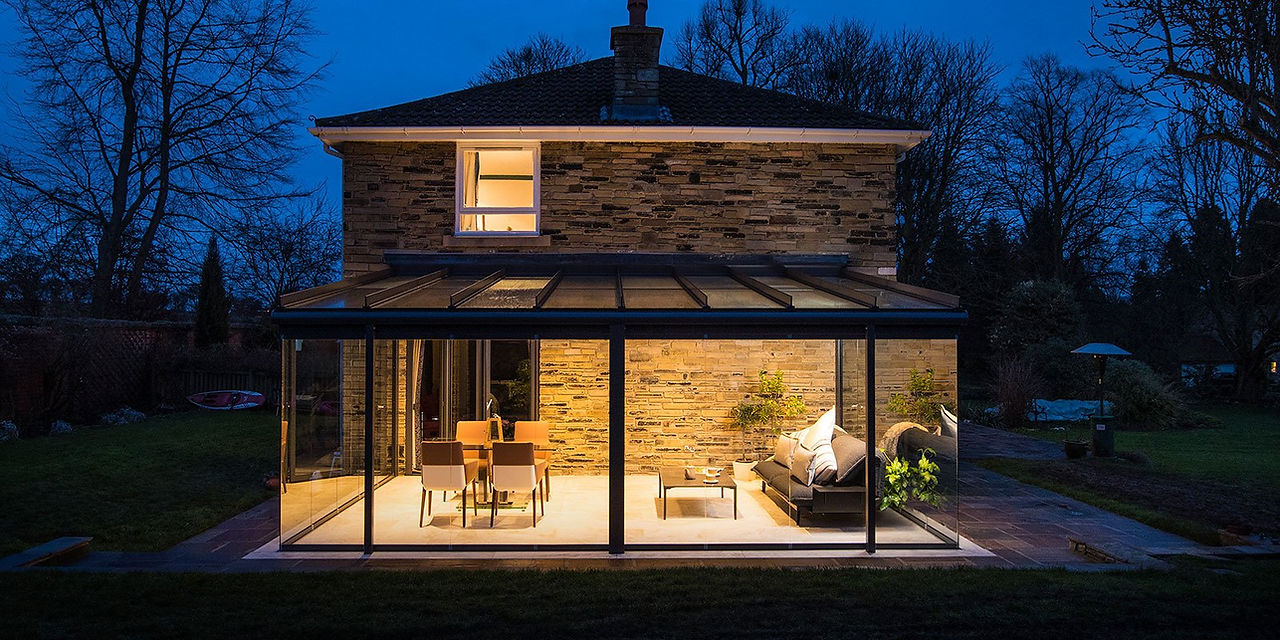
Veranda glass room in Yorkshire 
Inside a glass room extension 
Glass room veranda extension
Conclusion
A glass room extension is more than a home improvement; it’s a lifestyle upgrade. Whether you’re drawn to a dramatic glass box extension, a practical glass lean-to extension, a light-boosting glass roof extension, or compact small glass extensions UK homeowners love, the best results come from combining beautiful design with year-round comfort planning.
If you’re ready to explore concepts, costs, and the best approach for your property, Glass House Architecture can guide you from design and planning through to installation with a fully bespoke service tailored to your home.


